

The Workhorse of the Shop Power Tools
Hand-held power tools are powered by electricity, internal combustion or compressed air. They are used for cutting, drilling and sanding materials.
One of the primary power tools that every woodworker must own is a table saw, which makes quick work of almost any cutting job. Consider a miter-saw stand and the drill/driver combo.
Table Saw
A table saw is the workhorse of the shop power tools and perhaps the most versatile tool for woodworking. It can rip cross-cut, miter cut, and even dado and rabbet stock. It is also able to cut angled surfaces for frames, chests or planters.
The saw has a huge circular blade that spins at high speed. It has tables of a decent size (infeed and outfeed) which support the stock as it passes through the blade. The saw blade is protected by guards for the blade that help keep the wood from becoming caught and possibly being kicked back toward the operator. The saw is further protected by a splitter, or cutting blade. This is a vertical extension directly behind the blade that can be in the shape of pin or fin.
Tablesaws of the contractor style are equipped with a larger motor, that is hinged off the rear and drives the blade using one or two rubber V-belts. They are typically used by carpenters but are also found in home shops. They come with more features than portable saws, like a sliding miter table.
Smaller table saws have smaller motors, lighter in weight that is typically belt driven. These saws are not as powerful and are geared more toward hobbyists and home use. A lot of them have an adjustable mitertable that allows users to make intricate cuts, such as those needed for picture or mirror frames, or boxes drawers, cases, and frames.
Making use of a table saw in a safe manner is important to avoid injuries. Always stand to the left of the blade when performing cutting rips and keep your hands clear of the saw's edge. When cutting, it is important to use a guide block or push stick. This is particularly important in commercial settings where HSE standards demand that you keep at least one hand distance from the blade.
Many woodworking projects call for tapered legs, and the simplest and fastest method of cutting them is with a table saw and a simple adjustable tapering jig that you can build at home. A tapering jig is adjusted for any angle between 15 and 0 degrees, allowing you to cut any set of tapered legs to fit furniture like tables or cabinets in your shop.
Bandsaw
A bandsaw is a tool to cut metal and wood into various shapes. It's a fantastic tool for custom fabrication. It's also a valuable tool for furniture making, cabinetry as well as other woodworking projects. The saw is able to be used for circular cuts, including circles, and can cut through various materials, including ice.
There are two types of bandsaws of bandsaws: horizontal and vertical. Vertical bandsaws excel at resawing, curved cuts and freehand cutting. Horizontal bandsaws provide a more straight and angled cut. The saw can operate manually or through a powered feed system. Manual bandsaws require that users manually lower and lift the blade after each cut. power tools shops near me -fed systems are more efficient.
When using the bandsaw, it's essential to prioritize safety. Wear protective gear, such as safety goggles or ear protection to shield yourself from noise and sawdust. To prevent accidents and injuries keep your hands and feet clear of the blade. It's also important to set up the saw for safety, making sure that the blade is secured and aligned properly and that the guides are properly adjusted.
Depending on power tools shops near me of material you are cutting, you might need to adjust the feed rate and saw speed to achieve the most efficient results. Regular maintenance and adjustments to the tension of the blade and tracking will ensure your bandsaw makes accurate and precise cuts while prolonging its lifespan.
The blade of a bandsaw is usually made from high-quality steel that's been treated to resist the stresses and wear of regular use. The teeth are also welded onto the saw to give it a distinctive shape and preventing them from getting removed or damaged by a sudden shock.
The throat depth of a bandsaw determines the size of the piece of lumber it can cut. Larger throat depths allow you to cut larger pieces of wood, and are beneficial for resawing and cutting, which are both techniques that involve cutting across the grain. It is also important to note that some bandsaws feature tilting tables, which could be beneficial for making certain kinds of angled cuts as well as repurposing scrap wood.
Dust Collector
Woodworking tools create lots of chips and dust that must be collected to protect your health, the shop's cleanliness and the longevity of your machines. The kind of dust collector you require will be based on the size and quantity of power tools that you employ in your shop, as well as their frequency of use. The best woodworking dust collectors provide exceptional filtering capabilities that can remove fine particles from the air, allowing you to breathe healthier, cleaner and more comfortable while you work.
Nederman provides dust collection systems to meet your requirements regardless of whether you're a one-man shop, or a large production woodworking facility. Our woodworking dust collection waste management, combustible and waste collection dust solutions combine care for the environment while enhancing in the efficiency of machines and quality.
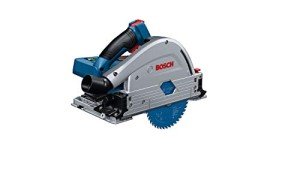
There are a variety of woodshop dust collectors that are available on the market including:
A dust extractor that is basic is an extremely effective tool that could replace a standard shop vac. The units are connected to the power tool via an hose that connects to the dust port. When you switch on your tool the hose will be activated and pulls in dust and other debris from your workspace.
Based on the brand you select, the majority of dust extractors come with HEPA filters to effectively remove dust particles of fine size that can lead to respiratory issues in the course of time. They also have a higher CFM airflow (cubic feet per minute) to move more air. They could also have an indicator of airspeed and a system which automatically cleans the filters.
If you own a huge shop or want to be able to utilize your woodworking equipment while on the move, a portable dust collection system equipped with a rechargeable power source and a plug-in connector that connects directly to the power tool is an ideal option. These units are easy to transport and have the capacity to handle multiple tools at the same time. They usually come with a caster base and come with a bag for collection or a reusable filter for quick emptying.
If you're an experienced woodworker, or a contractor, you might require an even more robust dust collection system. These units are more expensive than an extractor, but offer a wider range of filtration options and can be mounted to a wall or in their own space. These units can be used to clean up the plaster, drywall and other demolition projects as well as woodworking projects.
Planer
The planer is an essential tool that should be in every woodshop ever be without. It might not be the sexiest or most flashy but it does make one of the biggest differences in your ability to transform rough lumber into useful and beautiful projects. It is used to take boards to a certain thickness and works on both softwoods and hardwoods. It is also extremely useful for dealing with unwieldy, knotty or bent stock that is difficult to work with using hand tools.
A quality portable planer could be worth the price of admission to any woodworking shop. You might be able find a planer at a great price, but pay attention to the condition and the tables for infeed and outfeed. These elements will determine the performance of your planer and if it will last for a long period before you have to replace parts. If the cutter head isn't of a high quality it will quickly wear down and you might need to replace it within a very short amount of time.
Many people confuse the planer and the jointer, however they are not the same machines. A jointer can make a board straight and flat, whereas the planer will cut the boards down to a specified thickness. Some woodworkers utilize both machines in tandem to complete a project however both are necessary for any workshop that works with rough lumber regularly.
A commercial-grade planer is a great investment if you want to master woodworking professionally and want high-quality equipment. These are built to run in situations where production speed is more important than surface finish. These machines can save you a great amount of time, but you should be cautious not to overload them. They could be able to burn out. To ensure that they are functioning properly, you'll be required to maintain them properly. A well-planned maintenance schedule will go a long way towards prolonging the life of your planer.